

Clinical research hub

A scientific home for the Lymphex research program.

Lymphex Research gathers white papers, mechanistic models, figures, presentation materials, and translational research framing across the Lymphex ecosystem in a consistent institutional format.

Featured dossier

Mechanical Lymphatic Transport and Peripheral Neuropathy: The Helical Limb Model

This paper proposes the Helical Limb Model, a systems-level hypothesis that repetitive rotational loading in paired-bone limb segments can alter fascial tension, interstitial pressure dynamics, and distal lymphatic transport. Rather than displacing established neuropathy etiologies, it frames impaired drainage and pressure-sensitive tissue mechanics as a potential cofactor in selected idiopathic or multifactorial neuropathic presentations.

Glymphatic clearance schematic

Featured figure

Glymphatic clearance schematic

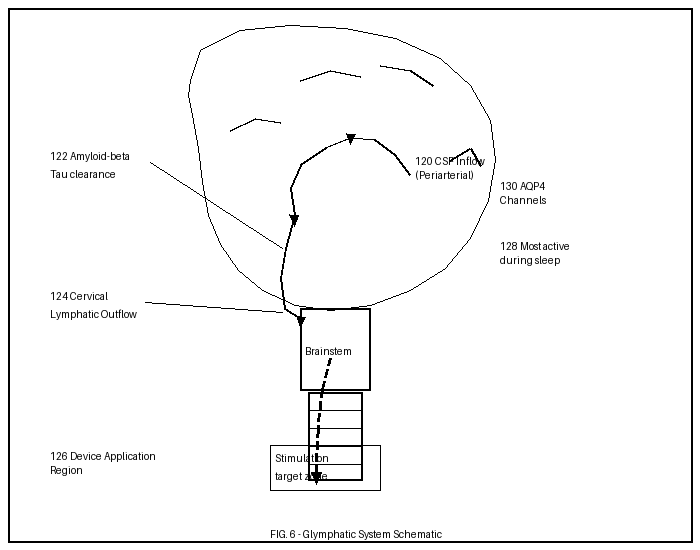
Conceptual diagram linking CSF inflow, perivascular exchange, brainstem coupling, and cervical lymphatic outflow in the broader neurolymphatic research narrative.

Documents

5

White papers currently organized.

Author

Jeffrey D. Smith, BA

Brown University · Founder of Lymphex

Format

Research dossiers

Abstracts, findings, figures, decks, and downloads.

Structured paper access

Each paper is presented as a dedicated dossier page with abstract, key findings, figures, and direct final PDF download.

Presentation materials

The primary white paper includes a viewable slide deck area so research communication stays connected to the manuscript record.

Program coherence

The roadmap frames the current white papers as part of a broader translational research program across LymphLens, LymphRelief, and LymphRestore.

Scientific figures

Visual evidence and anatomical diagrams are now integral to the research hub.

To make the platform feel more scientific and less text-heavy, extracted figures are now surfaced directly on the landing page and inside each paper dossier.

Visit main Lymphex site
Consumer-device side elevation

Provisional patent figure

Consumer-device side elevation

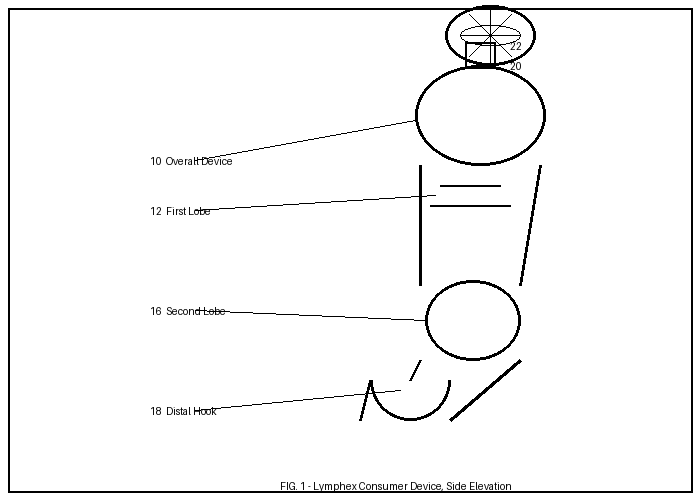
Patent-derived side elevation highlighting the dual-lobe geometry, distal hook, and overhead applicator architecture associated with the LymphRelief consumer form factor.

Glymphatic clearance schematic

Patent systems figure

Glymphatic clearance schematic

Conceptual diagram linking CSF inflow, perivascular exchange, brainstem coupling, and cervical lymphatic outflow in the broader neurolymphatic research narrative.

Craniofacial drainage architecture

ENT white paper figure

Craniofacial drainage architecture

A wide anatomical drainage illustration from the ENT paper used to make the research hub feel more visual, clinical, and anatomically grounded.

Paper library

Five research papers, each framed as a clinical dossier.

The library spans limb biomechanics, neurolymphatic hemodynamics, craniofacial drainage in ENT disease, male pelvic lymphatic burden, and carpal tunnel syndrome through a lymphatic-stagnation lens.

Paper 01White paper · Hypothesis article

Mechanical Lymphatic Transport and Peripheral Neuropathy: The Helical Limb Model

A mechanobiological hypothesis linking rotational limb loading, fascial dynamics, distal lymphatic transport, and neuropathic vulnerability.

Peripheral neuropathy
Lymphatic transport
Biomechanics

This paper proposes the Helical Limb Model, a systems-level hypothesis that repetitive rotational loading in paired-bone limb segments can alter fascial tension, interstitial pressure dynamics, and distal lymphatic transport. Rather than displacing established neuropathy etiologies, it frames impaired drainage and pressure-sensitive tissue mechanics as a potential cofactor in selected idiopathic or multifactorial neuropathic presentations.

Paper 02White paper · Hemodynamic model

Vascular Stiffness and Neurolymphatic Failure: A Hemodynamic Model of Neurodegeneration

A clearance-centered model of brain aging that connects arterial stiffness, glymphatic exchange, and meningeal lymphatic drainage.

Neurodegeneration
Hemodynamics
Brain clearance

This paper argues that age-related vascular stiffening may impair the pulsatile mechanical forces that support periarterial cerebrospinal fluid exchange, glymphatic clearance, and downstream meningeal lymphatic drainage. Within this framework, amyloid accumulation is treated not solely as an initiating lesion, but as a downstream manifestation and amplifier of broader clearance failure in the aging brain.

Paper 03White paper · ENT

The Craniofacial Lymphatic Drainage Hypothesis

Why chronic congestion may be a drainage failure rather than only an allergy or infection problem in ENT disease.

ENT
Chronic congestion
Craniofacial drainage

This white paper proposes that impaired craniofacial lymphatic drainage is a permissive condition for chronic rhinosinusitis, recurrent otitis media, allergic ENT disease, and related pediatric congestion syndromes. It reframes persistent inflammation as a failure of clearance across the nasal, sinus, nasopharyngeal, and middle-ear drainage axis, while also examining how dental and pediatric ENT interventions may compound existing drainage burden.

Paper 04White paper · Male pelvic health

Lymphatic Stagnation as a Unifying Mechanism in Male Pelvic Floor Dysfunction

A pelvic lymphatic model connecting erectile dysfunction, prostatitis, and lower urinary tract symptoms.

Male pelvic health
Pelvic lymphatics
Vascular coupling

This white paper advances the hypothesis that age- and lifestyle-associated lymphatic stagnation within the pelvic basin is an upstream contributor to erectile dysfunction, prostatitis-like syndromes, and lower urinary tract symptoms. It presents a cranio-caudal congestion model in which declining lymphatic contractility, interstitial stagnation, vascular dysfunction, and tissue remodeling reinforce one another across the male pelvic floor.

Paper 05White paper · Carpal tunnel syndrome

What Carpal Tunnel Release Actually Releases: A Lymphatic Stagnation Hypothesis for Carpal Tunnel Syndrome

A distal-wrist drainage model proposing that impaired lymphatic egress contributes directly to intracompartmental pressure, intraneural edema, and surgical response in CTS.

Carpal tunnel syndrome
Lymphatic drainage
Peripheral neuropathy

This updated white paper argues that carpal tunnel syndrome may be driven not only by mechanical compression of the median nerve, but also by lymphatic stagnation at the distal radial and ulnar collecting junction of the wrist. Within this model, elevated compartmental pressure, intraneural edema, nocturnal worsening, and part of the benefit seen after carpal tunnel release can all be interpreted through impaired lymphatic egress and its downstream neurovascular consequences.

Presentation materials

Viewable deck for the primary white paper.

The helical limb model dossier includes a presentation deck in viewable PDF form, preserving the communication layer alongside the publication record.

Primary presentation

The Helical Limb Model presentation deck is available in final viewable PDF form.

The browser preview environment does not reliably render the PDF inline, so the deck is exposed through a direct view action for dependable access while preserving the document inside the research record.

Deck access

Presentation PDF

Open the final slide deck in a dedicated viewer window for presentation review, sharing, or download.

Open viewable deck

Research roadmap

A translational sequence from white papers to measured validation.

The current document set is presented as an organized starting point for future validation, imaging, cohort definition, and platform development.

Phase 01

Current dossier set

Mechanistic white papers and translational framing

Publish and index the current research library, standardize terminology, and establish a consistent dossier format for downloadable clinical-research materials.

Phase 02

Near-term research

Imaging, biomechanics, and drainage validation

Translate the hypotheses into tractable measurement programs involving lymphatic imaging, tissue mechanics, vascular compliance, and symptom-linked observational cohorts.

Phase 03

Clinical correlation

Phenotyping and intervention pathways

Define patient subgroups, identify measurable biomarkers, and evaluate symptom response to pressure, mobility, decompression, and drainage-oriented intervention strategies.

Phase 04

Platform development

Operational research intelligence for the Lymphex ecosystem

Evolve the research hub into a reference layer that connects publications, presentations, future protocol updates, and translational program materials across the ecosystem, including LymphLens, LymphRelief, and LymphRestore.

Author and institution

Jeffrey D. Smith, BA

Brown University · Founder of Lymphex

This hub serves as the clinical research layer of the broader Lymphex ecosystem and connects mechanistic manuscripts, translational hypotheses, figures, and presentation materials in a format suitable for collaborators, reviewers, and strategic partners.