
Paper 01 · White paper · Hypothesis article

Mechanical Lymphatic Transport and Peripheral Neuropathy: The Helical Limb Model

A mechanobiological hypothesis linking rotational limb loading, fascial dynamics, distal lymphatic transport, and neuropathic vulnerability.

Abstract

This paper proposes the Helical Limb Model, a systems-level hypothesis that repetitive rotational loading in paired-bone limb segments can alter fascial tension, interstitial pressure dynamics, and distal lymphatic transport. Rather than displacing established neuropathy etiologies, it frames impaired drainage and pressure-sensitive tissue mechanics as a potential cofactor in selected idiopathic or multifactorial neuropathic presentations.
Key findings

01

Lymphatic transport, fascia, and peripheral nerve vulnerability can be interpreted as a coupled mechanical-fluid system rather than isolated structures.

02

Paired-bone limb segments such as the forearm may create recurrent torsional environments capable of influencing distal clearance efficiency over time.

03

The model generates testable predictions involving lymphatic imaging, tissue stiffness, rotational biomechanics, and pressure-sensitive symptom response.

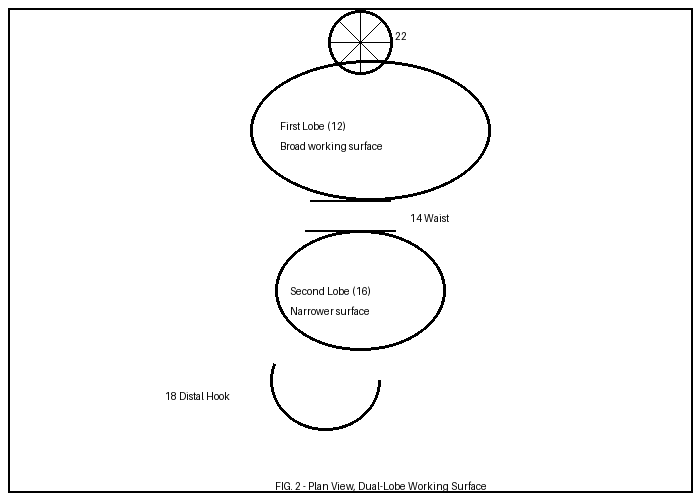
Dual-lobe plan geometry

Device geometry figure

Dual-lobe plan geometry

Plan-view figure illustrating the dual-lobe device geometry relevant to rotational contact, tissue engagement, and directional handling.

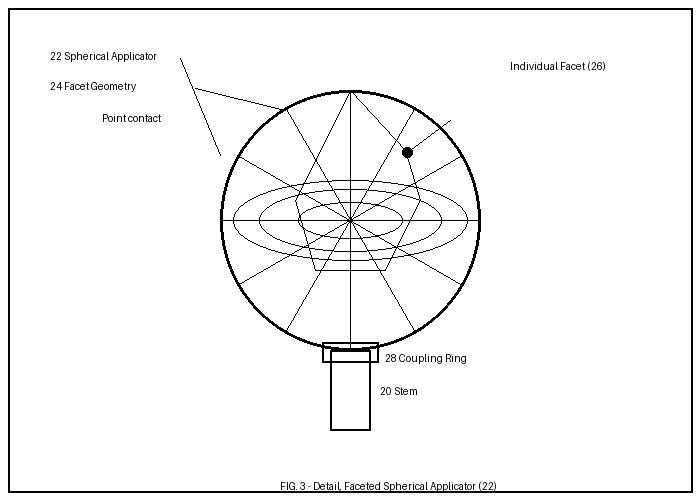
Faceted applicator detail

Patent detail figure

Faceted applicator detail

Detail view of the faceted applicator architecture, included here as a visual bridge between limb-contact mechanics and translational device design.

Presentation material

Viewable slide deck linked directly from the research dossier.

To ensure consistent access across browsers, the primary presentation is exposed as a dedicated view action rather than an inline PDF frame.

Deck file

Final presentation PDF

Open the presentation in its own viewer window for reading, sharing, or download.

Open presentation PDF

Related papers

Continue across the Lymphex research program.

Return to hub
Paper 02White paper · Hemodynamic model

Vascular Stiffness and Neurolymphatic Failure: A Hemodynamic Model of Neurodegeneration

A clearance-centered model of brain aging that connects arterial stiffness, glymphatic exchange, and meningeal lymphatic drainage.

Neurodegeneration
Hemodynamics
Brain clearance

This paper argues that age-related vascular stiffening may impair the pulsatile mechanical forces that support periarterial cerebrospinal fluid exchange, glymphatic clearance, and downstream meningeal lymphatic drainage. Within this framework, amyloid accumulation is treated not solely as an initiating lesion, but as a downstream manifestation and amplifier of broader clearance failure in the aging brain.

Paper 03White paper · ENT

The Craniofacial Lymphatic Drainage Hypothesis

Why chronic congestion may be a drainage failure rather than only an allergy or infection problem in ENT disease.

ENT
Chronic congestion
Craniofacial drainage

This white paper proposes that impaired craniofacial lymphatic drainage is a permissive condition for chronic rhinosinusitis, recurrent otitis media, allergic ENT disease, and related pediatric congestion syndromes. It reframes persistent inflammation as a failure of clearance across the nasal, sinus, nasopharyngeal, and middle-ear drainage axis, while also examining how dental and pediatric ENT interventions may compound existing drainage burden.